

- Sun, 22 March 2026

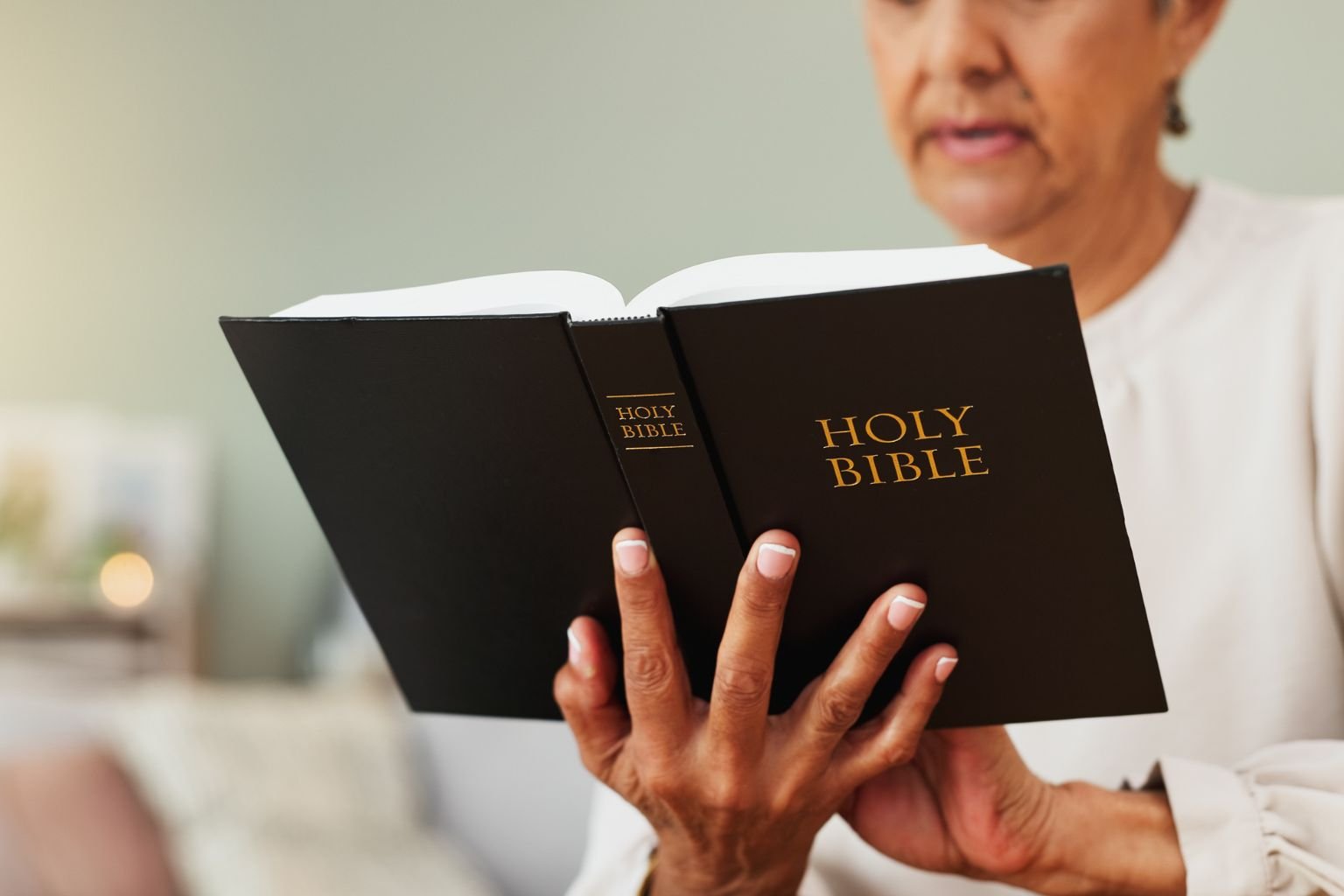
The role of a grandparent is one of life’s most profound transitions. For many of us in the Aging With Styles community, becoming a grandparent marks a shift from the front lines of daily parenting to a position of seasoned influence, quiet wisdom, and unconditional love. It is a season of life that brings both immense joy and a new sense of responsibility toward the future. Naturally, many people of faith find themselves turning to the Word of God to understand this unique season. They often ask, what does the bible say about grandparents, seeking a roadmap for how to navigate these relationships with grace and purpose.
While the modern English word “grandparent” does not appear as frequently in older translations as “parent” or “child,” the concept of the multi-generational family is woven into the very fabric of the biblical narrative. From the sprawling genealogies of Genesis to the intimate mentions of family heritage in the New Testament, the Bible presents a vision of life where faith is not a solo journey but a relay race. It speaks clearly about legacy, the crown of old age, and the sacred duty of passing down a spiritual inheritance. As we explore what the Bible suggests about this role, we find that being a grandparent is viewed not merely as a biological status, but as a high calling to be a bridge between the past and the future.
When looking for the specific term “grandparent,” readers may notice that biblical Hebrew and Greek often used broader terms to describe family lineages. In many translations, the roles we associate with grandparenting are captured in phrases like “children’s children,” “forefathers,” or “elders.”
In the Old Testament, the Hebrew word ben (son) or bat (daughter) could refer to immediate offspring or more distant descendants. Similarly, the word ab (father) often referred to a grandfather or an even more distant ancestor. This linguistic style reminds us that in the biblical world, the family was seen as a continuous unit. The distinction between a parent and a grandparent was less about a separate title and more about one’s place within the unfolding story of Israel.
Despite the lack of a modern label, the presence of grandparents is felt throughout the text. When the Bible speaks of “thy seed and thy seed’s seed,” it is directly addressing the grandparent-grandchild connection. It views the third generation as a sign of God’s faithfulness and a primary focus for the instruction and blessing of the family patriarch or matriarch. In this light, the role is very much direct and essential to the biblical definition of a healthy society.
To answer the question of what does the bible say about grandparents, we must look at how Scripture treats the concept of “generational blessing.” In the biblical worldview, a blessing given to a parent was intended to flow down through the years to the grandchildren.
One of the most well-known verses regarding this relationship is found in Proverbs 17:6: “Children’s children are the crown of old age, and the glory of children is their fathers.” This poetic imagery suggests that grandchildren are not just a peripheral part of a grandparent’s life; they are their “crown”—the ultimate honor and a visible symbol of a life well-lived. It implies that the success and character of the younger generation bring a sense of completion and dignity to the elder.
The Book of Psalms frequently highlights how God’s mercy extends across generations. Psalm 103:17 states: “But the mercy of the Lord is from everlasting to everlasting upon them that fear him, and his righteousness unto children’s children.” Here, the grandparent is invited to see their grandchildren as recipients of the same divine righteousness that they themselves have relied upon. It frames the grandparent’s faith as a foundation upon which the grandchild can stand.
Psalm 128:6 offers a simple yet profound blessing: “Yea, thou shalt see thy children’s children, and peace upon Israel.” In the ancient world, where life was often short and survival was hard-won, the opportunity to see the third generation was considered a supreme mark of God’s favor. It was a sign of peace and stability, suggesting that the family line was secure and the culture would continue.
The Bible suggests that the role of an elder in the family is not passive. While the primary responsibility for discipline and daily care rests with the parents, grandparents often occupy the role of the “spiritual memory” of the family.
Grandparents are often interpreted as the keepers of the family’s spiritual history. They are the ones who can say, “I saw God provide during the hard years,” or “I remember when we prayed and an answer came.” This role as a witness is vital. In a world that often prizes the “new” and “now,” the grandparent provides the “always” and “forever.”
Many traditions view biblical grandparenting as a ministry of intercession. Because grandparents often have a bit more margin in their lives than parents in the thick of career and child-rearing, they can become the primary prayer warriors for the family. They stand in the gap, asking for protection and guidance for grandchildren who are navigating a world much different from the one the grandparents grew up in.

The core of biblical grandparenting is the intentional transmission of faith. This is not about forced instruction, but about the natural overflow of a life lived in relationship with God.
In Deuteronomy 4:9, the Israelites were given a strict but beautiful command: “Only take heed to thyself, and keep thy soul diligently, lest thou forget the things which thine eyes have seen… but teach them thy sons, and thy sons’ sons.” This is perhaps the most direct “job description” for a grandparent in the Bible. We are encouraged not just to have a personal faith, but to ensure that the stories of God’s intervention in our lives are shared with the third generation.
Passing down faith in a biblical sense often involved storytelling. It wasn’t just about memorizing laws; it was about recounting the Exodus, the wilderness manna, and the entrance into the Promised Land. For modern grandparents, this might look like sharing personal stories of “wilderness moments” and how faith provided a way through. This makes God real to a grandchild in a way that abstract theology sometimes cannot.
Looking at the lives of individuals in Scripture provides us with tangible “portraits” of grandparenting. These stories show us that the role has always been complex, involving both great blessing and, at times, great difficulty.
One of the most moving scenes in Genesis is when an elderly, nearly blind Jacob (Israel) blesses his grandsons, Ephraim and Manasseh (Genesis 48). Jacob intentionally reaches out to claim these boys as his own, ensuring they have a place in the covenant. He recounts his own struggles and how God “fed me all my life long unto this day.” This example shows a grandparent using his final days to secure the spiritual identity of his grandchildren.
The story of Naomi in the Book of Ruth is a powerful example of a “grandmother by heart” (as she was the mother-in-law of Ruth). After losing her husband and sons, Naomi is restored through the birth of Ruth’s son, Obed. The neighborhood women said of the baby, “He shall be unto thee a restorer of thy life, and a nourisher of thine old age” (Ruth 4:15). Naomi took the child and laid him in her bosom, becoming his nurse. This reflects how grandchildren often bring a sense of “new life” and redemption to an older generation that may have walked through deep valleys.
In the New Testament, we find perhaps the most direct and encouraging mention of a grandmother’s spiritual impact. When the Apostle Paul writes to his young protégé Timothy, he makes a point to mention Timothy’s heritage.
In 2 Timothy 1:5, Paul writes: “When I call to remembrance the unfeigned faith that is in thee, which dwelt first in thy grandmother Lois, and thy mother Eunice; and I am persuaded that in thee also.” This is a remarkable statement. Paul traces Timothy’s strength and ministry back to the “unfeigned” or sincere faith of his grandmother.
Lois may never have preached a sermon or led a church, but she cultivated a home environment where faith was lived out authentically. Timothy’s character was a reflection of the seeds she had planted years prior. This teaches modern grandparents that their influence is often quiet and behind the scenes, yet it can shape the leaders of the next generation. It reminds us that our primary legacy is not our bank accounts or our homes, but the “unfeigned faith” we model for those watching us.
The Bible often links the concept of old age with the possession of wisdom. Grandparents are viewed as the “sages” of the family, tasked with providing perspective that younger generations may lack.
Proverbs 13:22 says: “A good man leaveth an inheritance to his children’s children.” While we often think of an inheritance in terms of real estate or money, the biblical context frequently points toward a moral and spiritual inheritance. A “good name”—a reputation for integrity and kindness—is a far more valuable asset for a grandchild than a pile of gold.
There is often a unique “closeness” between the oldest and youngest generations in the Bible. This gap allows for a different kind of mentorship than the parent-child relationship. Because the grandparent is not the primary disciplinarian, they can often speak truth into a grandchild’s life in a way that feels like a gift rather than a lecture. The Bible encourages the older generation to use this “wisdom capital” wisely.
The Book of Deuteronomy is particularly focused on the continuity of the community. It presents a world where the survival of the nation depends on the elders doing their job.
Throughout Deuteronomy, the warning is often: “Do not forget.” The older generation is seen as the safeguard against cultural amnesia. When a society forgets its roots and its spiritual foundations, it begins to drift. Grandparents are the “anchors.” By keeping the stories alive, they prevent the younger generation from drifting away from the truths that have sustained the family for years.
Deuteronomy 6:7 suggests that this teaching happens “when thou sittest in thine house, and when thou walkest by the way, and when thou liest down, and when thou risest up.” This implies that scripture about grandparents isn’t suggesting a formal classroom setting. Instead, it’s about the natural rhythms of life—baking cookies, walking in the park, or sitting on the porch. These are the moments where “the seed” is sown.
While we live in a world of smartphones, social media, and dispersed families, the core principles of biblical grandparenting remain remarkably relevant. The human heart’s need for connection, identity, and a sense of belonging hasn’t changed.
In biblical times, families often lived in the same tent or village. Today, we may live thousands of miles apart. This requires modern grandparents to be intentional. “Passing down faith” may now happen over FaceTime, through a handwritten letter, or during a carefully planned summer visit. The biblical principle of intentionality is more important now than ever.
In a world that can be harsh and judgmental, a grandparent can model the biblical balance of grace and truth. By providing a safe harbor where a grandchild is loved regardless of their performance, a grandparent reflects the character of God. This “unconditional” love is one of the greatest spiritual lessons a child can ever learn.
Scripture often associates the elder with a sense of peace (Shalom). Because grandparents have lived through many storms, they can be a “non-anxious presence” for their grandchildren. When the world feels chaotic to a young person, the steady, grounded faith of a grandparent can be a source of immense comfort.
Reflecting on what does the bible say about grandparents reveals a picture that is both deeply affirming and spiritually significant. While the culture around us might sometimes view the older generation as “phasing out,” the Word of God views us as “stepping up” into a role of generational stewardship. We are seen as the keepers of the crown, the tellers of the story, and the intercessors who stand between the past and the future.
The Bible suggests that our greatest work may not be what we did in our careers, but what we do now in our living rooms and around our kitchen tables. Whether we are like Jacob, offering a formal blessing, or like Lois, modeling a sincere and quiet faith, we are part of a sacred chain. Our grandchildren are the “seed’s seed,” and our lives are the soil in which their own faith can take root. As we navigate this season, may we find encouragement in the fact that God honors the role of the grandparent, viewing it as a vital part of His plan for the family and the world. We invite you to explore further reflections on faith and legacy or building family traditions here at Aging With Styles as you continue to write your own chapter in your family’s enduring story.
Share this post :



Subscribe to our newsletter for helpful tips, updates, and practical guidance.